Witnessing Anaphylaxis in public: Would you know what to do?
- 25 August 2026
- News
What should you do if someone has anaphylaxis? We are often asked this on our helpline by people with allergies, as well as parents, friends, family members and members of the public. Recognising the signs and acting quickly can be lifesaving.
Recognising the symptoms of anaphylaxis
If you do not have allergies yourself, or do not know anyone with allergies, you may be unfamiliar with the signs of an allergic reaction.
Mild-to-moderate symptoms can include:
- A red, raised and itchy rash, known as hives or urticaria
- Swelling of the face, lips or eyes
- Tingling or itching in the mouth
- Mild throat tightness
- Stomach pain, vomiting or diarrhoea
These symptoms can be distressing, but they do not necessarily mean the person is experiencing anaphylaxis. However, symptoms can develop quickly, so it is important to remain alert for signs that the reaction is becoming more serious.
The signs of anaphylaxis are often referred to as the ABC symptoms:
- Airway: Swelling of the throat, tongue or upper airways; a hoarse voice; or difficulty swallowing
- Breathing: Sudden wheezing, difficulty breathing, noisy breathing or a persistent cough
- Circulation: Dizziness, feeling faint, sudden tiredness or confusion, pale or clammy skin, loss of consciousness or collapse
A person does not need to have every symptom for it to be anaphylaxis. Any one of these ABC symptoms can be present and requires immediate action.
A significant drop in blood pressure may cause weakness, sudden limpness, or a feeling of impending doom. This can lead to collapse, unconsciousness, and, in rare cases can be fatal. When anaphylaxis results in a serious drop in blood pressure, it is sometimes referred to as anaphylactic shock. Any of the ABC symptoms could lead to anaphylactic shock if they are not treated quickly.
What to do if someone is experiencing anaphylaxis?
- Help them get into the right position: If the person is conscious, lie them flat with their legs raised to assist in blood flow to the heart, brain and vital organs. If they’re having difficulty breathing, they can be propped up with legs stretched out straight.
- Give adrenaline immediately. If the person has an adrenaline device available, such as EpiPen®, Jext® or EURneffy®, use it straight away if they have signs of anaphylaxis. Adrenaline is the first-line treatment. If you are unsure, it is safer to give adrenaline than to delay.
- You can find instructions on the side of an EpiPen® or Jext® injector, but it is important not to wait until an emergency to learn how to use one. Familiarise yourself with the device and practise with a trainer device where available.
- If using an intranasal adrenaline spray (EURneffy®): Insert the nozzle into a nostril until your fingers touch the nose. Keep the nozzle straight into the nose pointed toward the forehead. Press the plunger up firmly until it snaps up and sprays liquid into the nostril.
- Call 999. Tell the call handler that the person is experiencing “anaphylaxis” (pronounced ana-fil-ax-is) and give your precise location. If you are outside, a service such as What3Words may help you identify where you are. Call 999 even if the person appears to improve after adrenaline. Please note: Be clear that the person is experiencing ‘anaphylaxis’, rather than simply saying they are having an ‘allergic reaction’, so the urgency of the situation is understood and an ambulance is sent promptly.
- Give a second dose after five minutes if needed: Make a note of the time you give the first dose of adrenaline. If symptoms don’t improve after five minutes, or symptoms get worse, give a second dose.
- Stay with the person. Keep them in the same position until help arrives. They should not stand up, walk or run, even if they start to feel better. Movement can make symptoms worse and cause a sudden drop in blood pressure. Stay with them until emergency services arrive.
Should I give antihistamine before adrenaline?
Antihistamines can be taken to help relieve milder allergic symptoms. However, they do not treat anaphylaxis and must never be used instead of adrenaline if ABC symptoms are present. Do not give antihistamines before adrenaline in the hope of stopping the reaction from progressing. If someone has signs of anaphylaxis, adrenaline should be given first and without delay.
Can anyone give adrenaline for anaphylaxis?
You do not need to be a healthcare professional to help someone use their prescribed adrenaline device in an emergency. If the person is conscious, explain what you are doing and follow the instructions on the device. If they are unable to administer the device themselves and anaphylaxis is suspected, do not delay emergency treatment, use the device as instructed and call 999.
Do not try to drive the person to hospital yourself. They need an ambulance, as their condition can deteriorate quickly and they may require treatment on the way to hospital.
Learn more
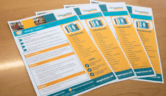
For more information, please read our Anaphylaxis Factsheet. You can also download our allergy-awareness posters to display at work, school, community venues or other public spaces.
The more people who can recognise anaphylaxis and know what to do in an emergency, the safer we can all be. Anaphylaxis can happen to anyone, including people with no known allergies or previous serious allergic reactions, so knowing the signs and how to use an adrenaline device could save a life.
By working together, we can help reduce the risk of allergic reactions and make everyday life safer, easier and more inclusive for people at risk of anaphylaxis.