“I didn’t want to make a fuss – so I took risks I shouldn’t have”
- 07 April 2026
- News
Luke first experienced a serious allergic reaction aged three and from that moment on, everyday life became about constant vigilance and staying safe in situations most of us take for granted. That vigilance was sometimes met with misunderstanding, exclusion, and at times, complete disregard.
Luke shares why greater awareness and support, and better management of allergies in all settings would make life safer for others like him.
Luke’s experience
Luke Putton, 32, HR consultancy business owner from Horsham, West Sussex. Luke is part of our Lived Experience Expert Group (LEEG) — a group of individuals with real, lived experience of serious allergies.
I have a severe tree nut and peanut allergy, as well as a mild egg allergy which I have mostly grown out of.
My first experience of a serious allergic reaction was at my sister’s first birthday party when I was three years old, after eating cake containing Nutella. Growing up, I was largely unaware of the risks. My parents did a great job of keeping me safe while still allowing me to have a normal childhood, including holidays and social activities.
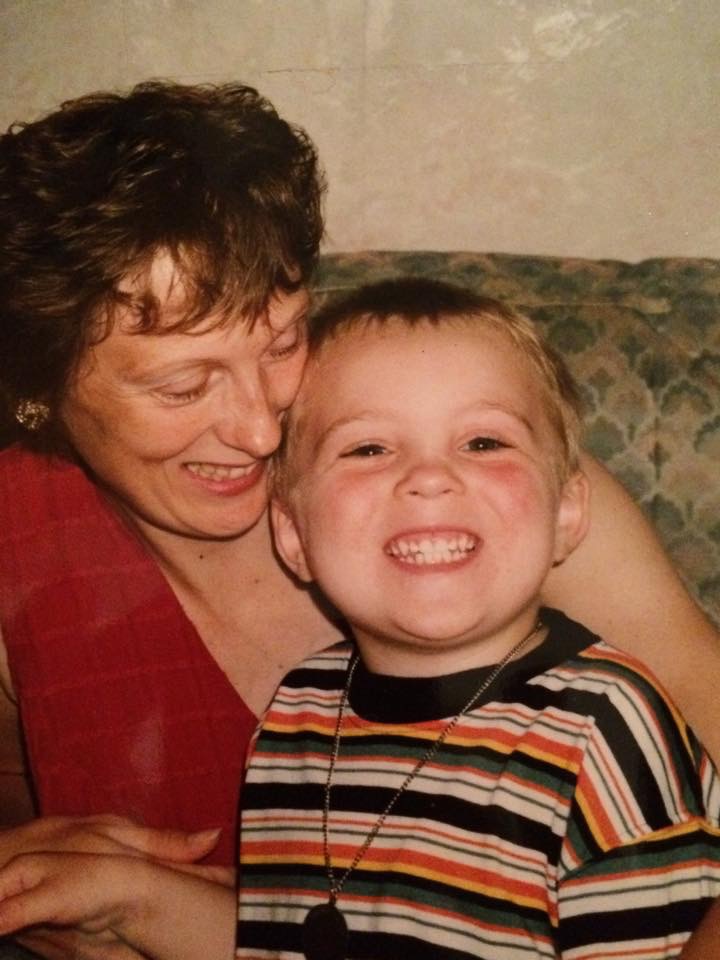
As I moved into my teenage years, I became more aware of my allergies, but also more self-conscious. I didn’t want to be seen as different or make a fuss, which led me to take unnecessary risks. I would eat foods labelled “may contain”, avoid telling restaurants about my allergy, and often didn’t carry my adrenaline auto-injectors. Looking back, I was very lucky not to have a serious reaction during that time.
In my twenties, my perspective changed. After experiencing a couple of reactions and near misses, I became much more aware of the risks and my own vulnerability. This led to significant anxiety around food, particularly when eating out. I experienced panic attacks, and everyday situations like work lunches, family events, BBQs and birthdays became a source of stress rather than enjoyment. It made me realise just how central food is to social life, and how isolating allergies can feel.
With support from my family, my partner, and through CBD therapy, I have been able to better manage this anxiety. I can now eat out relatively comfortably, although the underlying fear never completely goes away. In some ways, I see that as necessary, as it helps me remain vigilant.
My experience of dining out today is generally positive, but I still rely heavily on chain restaurants that provide clear allergen information online. I have had some concerning experiences, including being served food containing nuts, being asked to sign allergy waivers, and even being told that an ambulance would not be called if I had a reaction. These situations highlight how inconsistent awareness and practices still are.
One of my biggest ongoing challenges is “may contain” labelling. I avoid these products because there is not enough information to properly assess the risk. Greater transparency around manufacturing processes and cross-contamination would allow people like me to make more informed decisions, rather than having to avoid large categories of food altogether.
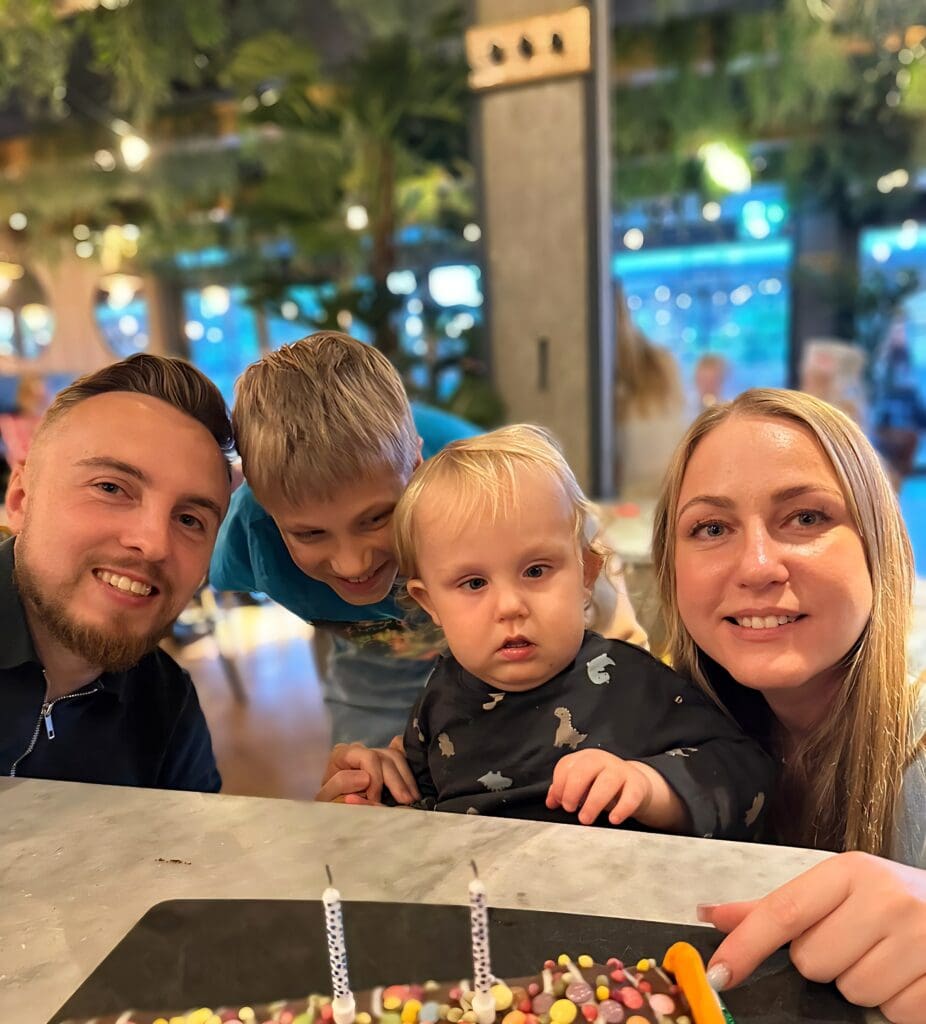
My allergies also impact those around me. My partner and family make daily adjustments in what we eat, where we go, and even our travel choices. What I value most is not just those adjustments, but the way they make me feel supported and that my allergies are not a burden.
I believe more needs to be done to improve consistency in how allergies are understood and managed, particularly in the hospitality industry, and to provide clearer information on food labelling. Small changes in these areas could make a significant difference to the confidence, safety and quality of life for people living with allergies.
In two weeks, the UK’s first National Allergy Strategy will launch in Westminster, led by the National Allergy Strategy Group — bringing together professional bodies and charities, including Anaphylaxis UK.
Over the coming days, we’ll be sharing real experiences from across the allergy community — all pointing to one clear need: a coordinated National Allergy Strategy to prevent harm and save lives.
United, we can tackle allergy.
#NationalAllergyStrategy