Do’s and don’ts of eczema care in children & adults
- 13 September 2025
- News
To mark National Eczema Week 2025 (13-19 September), we’ve invited Dr Helen Brough, Consultant in Paediatric Allergy and Founder of Children’s Allergy Doctors, to share her top do’s and don’ts of eczema management in both children and adults.
We spoke to Dr Helen earlier this year as part of our Let’s Talk About Allergies podcast. In the episode “Preventing Food Allergies in Children: Expert Advice on Early Steps, Skincare and Weaning“, Dr Helen discussed practical ways parents can manage eczema and potentially prevent food alelrgies, based on the latest evidence-based information and research. You can listen here.
As allergies and eczema can be closely linked, you may find the following tips useful. Please remember it is general advice and that it is important to see your healthcare professional for personal eczema treatment.
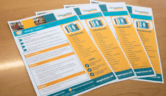
Do’s and don’ts of eczema care in children & adults
By Dr Helen Brough, Consultant in Paediatric Allergy and Founder of Children’s Allergy Doctors
✅ DO:
1. Use moisturiser generously and regularly
– Apply at least twice daily, even when the skin looks clear.
2. Treat flares early and appropriately
– Use topical steroids as prescribed – don’t wait for symptoms to worsen.
3. Identify and manage triggers
– Eczema can be worsened by contact allergens (e.g. fragrance, nickel, preservatives) or inhalant allergens (e.g. dust mite, pollen, pet dander).
– If eczema is persistent despite treatment, patch testing or allergy evaluation may help.
4. Keep baths short and soap-free
– Bathe in lukewarm water for 5–10 minutes.
– Avoid soap, bubble bath or bath additives – use soap substitute instead
5. Support mental wellbeing
– Eczema can impact sleep, confidence, social life, and emotional wellbeing.
6. Review and escalate treatment if needed
– There are effective options: topical calcineurin inhibitors, wet wraps, systemic treatments, or biologics for severe cases.
❌ DON’T:
1. Don’t underuse topical steroids
– Too little can prolong a flare and make eczema harder to treat.
– Use the correct amount – your team can guide you with fingertip unit charts.
2. Don’t rely on moisturiser alone during a flare
– Emollients help protect the skin barrier but don’t reduce active inflammation.
3. Don’t make dietary changes without medical advice
– Unless food allergy is confirmed, avoid unnecessary restrictions.
– Nutritional deficiencies and food fear are common when diets are over-restricted.
4. Don’t ignore the emotional impact
– Eczema is more than skin deep. If it’s affecting sleep, school, work or mood, ask for support.
– This might include referral to psychology or access to patient support groups.
Eczema can be exhausting—but you’re not alone
We’re here to help you understand your triggers, restore your skin barrier, and get the support you deserve.
Dr Helen Brough
Consultant in Paediatric Allergy and Founder of Children’s Allergy Doctors