A Tribute to Jenson
- 30 April 2026
- Fundraising
- News
Today, we’re remembering Jenson Joseph.
Losing him so young, aged just 25 on 30 April 2024, was the result of a rare anaphylactic reaction as he lay sleeping.
Diagnosed with a peanut and almond allergy at the age of 21, Jenson was prescribed adrenaline auto-injectors (AAIs) but never needed to use them. The toxicology report was unable to find traces of peanuts or almonds, and the coroner ruled that his blood pressure dropped because of anaphylaxis. This unexplained tragedy has been heartbreaking for Jenson’s loved ones.
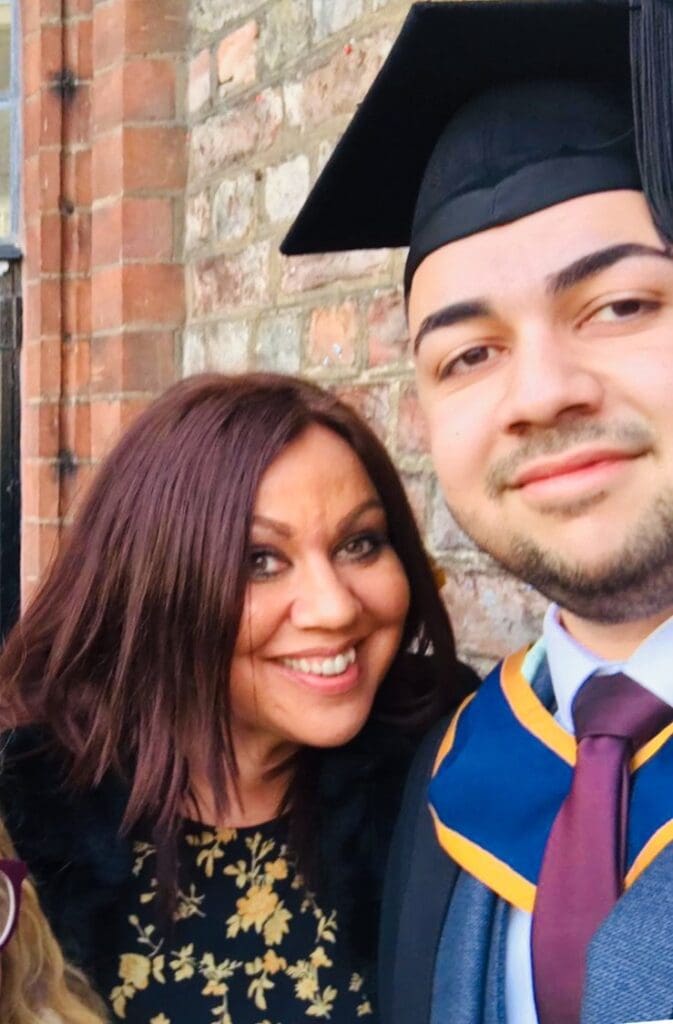
Jenson’s mum, Lex, shared: “My world has been destroyed by Jenson’s passing. I will never accept that Jenson is no longer here. We were on this journey together and I always believed that nothing could/would get in our way. My heart simply doesn’t beat the same. Jenson was taken from us far too soon and his presence will be greatly missed by every single person who met and knew him.”
Georgina Jones, CEO of Anaphylaxis UK, shared her thoughts ahead of Jenson’s anniversary:
“I want to express our deepest sympathy to Jenson’s family, friends, and all who loved him. Jenson was just 25 when he died from anaphylaxis and I cannot begin to comprehend the trauma this has brought to those closest to him.
Jenson was described as kind, caring, focused, and someone who lit up every room. His loss has left a profound void.
Jenson’s story underscores a vital truth: anaphylaxis can at times be unpredictable, and awareness saves lives. Delayed or nocturnal reactions, whilst rare, can be fatal. At Anaphylaxis UK, we remain committed to supporting research that helps identify and better understand these rare forms of anaphylaxis, while continuing to provide education and raise awareness so that no other family has to endure such unimaginable loss.
Jenson’s memory strengthens our resolve to create a safer world for everyone living with serious allergies.”
Jenson’s family and friends have channelled their grief into extraordinary generosity. Their kindness honours a popular young man who was funny, kind-hearted, a brilliant team player and footballer, and someone who effortlessly brought people together.
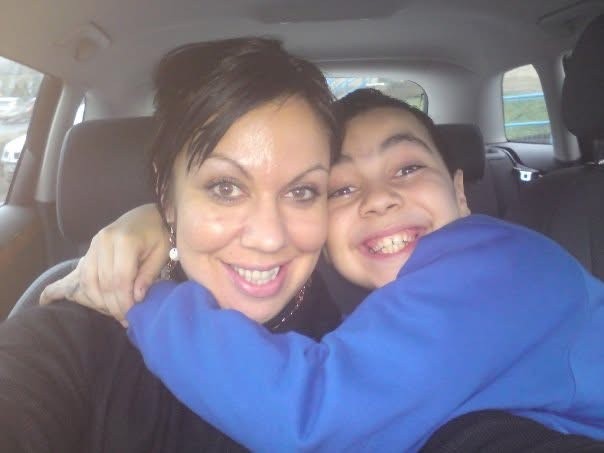
And he has done just that. Together, loved ones have raised over £20,000 for Anaphylaxis UK to help create a safer, more inclusive future for everyone living with serious allergies and fund breakthrough food allergy research.
Their generosity is a powerful tribute to Jenson. Heartfelt thanks to you all. You are in our thoughts today.