New Allergy Training Requirements 2026
for Schools Are Coming into Force

Make sure your staff are compliant, confident, and prepared to protect pupils at risk of anaphylaxis.

Is Your School Fully Prepared?

In February 2026, the Government formally passed Benedict’s Law, committing to introduce mandatory, statutory allergy guidance for schools in England through the Department for Education.

Schools are now expected to take clear, demonstrable action to improve allergy awareness, prevention, and emergency response. This represents a major step toward consistent, life-saving protections in every school, not optional best practice but expected compliance for all schools in England.

The new statutory guidance is being consulted on and published in summer 2026 ahead of wider implementation in September, bringing schools closer than ever to formalising the core aims of Benedict’s Law.

We recommend bookmarking and sharing this page with your colleagues as it has everything you need to prepare for the new law. We’ll keep it updated with the latest information, so check back regularly.


What the New Law Means for Schools

From September 2026, schools are expected to implement and maintain these requirements annually across all maintained and academy schools in England:

1. Whole-School Allergy Policy

Develop and publish whole-school allergy policies. Note – allergy policy is not medical conditions policy, and it will need to be displayed on the school website.

2. Staff Training

Ensure comprehensive allergy awareness and emergency response training for all staff (including caretakers, mini-bus drivers, lunchtime supervisors, etc).

3. Emergency Medication

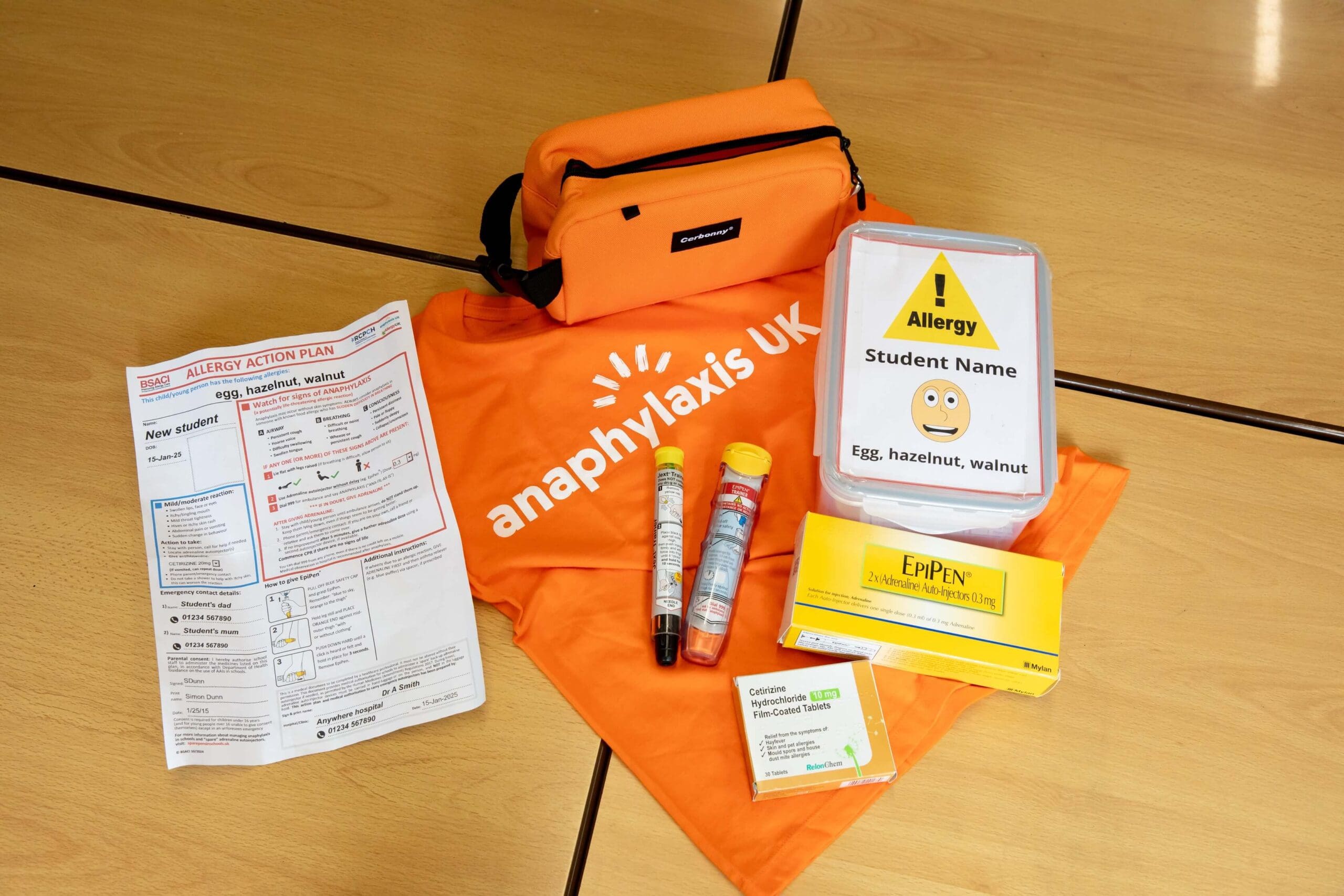
Hold spare in-date adrenaline devices (AAIs) on site. Note – they are not a second set of devices prescribed for an individual child, they can be used on any child or adult experiencing anaphylaxis.

4. Individual Care Plans

Implement individual healthcare and action plans for pupils with serious allergies (including food, animal and venom allergies).

How Anaphylaxis UK Can Help Your School

Anaphylaxis UK are here to support schools, guiding them through the legislation confidently

1. Training for schools

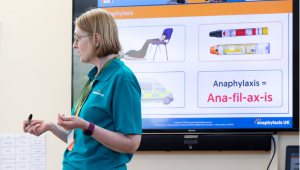
Our trusted, charity-led allergy training for schools is specifically designed to help you meet the new statutory expectations confidently and efficiently. It ensures everyone understands their role in keeping pupils safe.

2. Downloadable resources

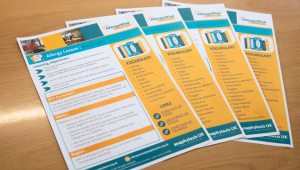
Access a range of practical templates and resources designed to support schools in meeting requirements, from policy development to day-to-day allergy management.

3. Free webinars

In these information‑only sessions, our experts will break down Benedict’s Law, explain what the new guidance requires, and show you exactly what compliant training should include.

4. Allergy lead training

Allergy Lead Training Training for the new allergy lead helps to guide them through the requirements of the role. Discover what actions are needed to achieve compliance and have space to create the action plan with an expert on hand to support.

5. Nominated governor training

Training for nominated governors help to understand the role and how it fits into the wider safeguarding duty with links into SEND and curriculum management.

What Your Staff Will Learn

By completing AllergyWise® for Schools training, that is compliant with the requirements in the new statutory guidance, staff will be able to:

  • Recognise early signs of allergic reactions.
  • Identify the symptoms of anaphylaxis.
  • Respond quickly and appropriately in an emergency.
  • Administer adrenaline devices confidently (incl. recently introduced EURneffy® nasal adrenaline spray).
  • Reduce risk through practical allergen avoidance strategies.
  • Understand their professional responsibilities under current legislation.

Meet Your Expert Trainer

Our courses are led by Tracey Dunn, Education and AllergyWise® Manager, a highly experienced and respected leader in primary education. Tracey has been part of Anaphylaxis UK since 2024, bringing with her more than 30 years of teaching experience and over 15 years as a Primary Head and Executive HeadTeacher.

Throughout her career, Tracey has worked in a wide range of primary schools, from small community settings to large multi-form schools. This breadth of experience gives her a deep understanding of the challenges faced by teachers and leaders, enabling her to offer practical, real-world guidance that supports educators at every level.

On a personal note, Tracey is a mum to two allergic teens: one with food allergies and AAIs, the other with grass and pollen allergies currently going through immunotherapy. This personal experience brings an additional depth of understanding to her work supporting schools.

Beyond her work in schools, Tracey represents Anaphylaxis UK in discussions with the Department for Education, contributing her expertise to help shape policies and guidance designed to make schools safer for pupils with serious allergies. Her ability to bridge educational experience with national-level conversations places her among the most knowledgeable and influential voices in the field.

Why Schools Trust Our Charity

At Anaphylaxis UK, we understand the real-world pressures schools face, and we make compliance straightforward.

  • Specialist focus on allergy safety
  • Over 15 years of supporting schools and families
  • Medically reviewed, evidence-based guidance
  • Practical and accessible for all staff roles
  • Every course booking supports our wider work with families and schools
  • We recognise and reward schools that demonstrate outstanding commitment to allergy awareness through our AllergyWise® School Award.

What Other Schools Say

“Best anaphylaxis training we have had. Tracey answered all our questions providing useful information previously uncovered. I feel much better informed on the signs of allergic reaction in young children and the sequence of steps to take.” 

Christchurch Primary School, April 2025

“The training has not only provided crucial knowledge for our team but also started some very interesting and important dialogues around the care for our children with allergies.”

Holly Lodge Primary Academy, January 2025

“So informative and all questions discussed and thoroughly answered. I feel so much more confident in my own understanding of allergies and how to deal with anaphylaxis”.

Saint Patrick’s Catholic Primary School, February 2026

“I feel far more confident now on recognising symptoms and using the appropriate medication.”

Churchfields the village school, December 2025

Pricing & Packages

Flexible training options for schools of every size. We also offer live online training webinars for school staff, available upon request. All of these trainings are compliant with Benedict’s Law and the new requirements of supporting children and young people with medical conditions and allergy.

School Online Training Package

Our Most Popular Training Option – £105 (incl. VAT)

Perfect for small to medium-sized schools looking for a flexible and cost-effective way to train staff.

  • ✔ Access for up to 10 staff members
  • ✔ 12 months access to the course
  • ✔ 1 hour training with final assessment
  • ✔ Learn at your own pace
  • ✔ CPD certification for all participants
  • ✔ Teaching recourses provided upon completion
  • ✔ Compliance records for audit

School Face to Face Training

Ideal for training whole staff teams at once with assembly-style workshops for students.

  • ✔ Face to Face training for up to 50 school staff members
  • ✔ Delivered by experienced trainers with enhanced DBS certificates, many of whom were headteachers previously.
  • ✔ Practice on how to use adrenaline auto-injectors in emergency
  • ✔ Can be completed on either inset day or normal school hours
  • ✔ Certificates and a handout provided
  • ✔ Optional student assembly workshops.

Please contact us for a bespoke quote.

Additional discounts

Why Book Now?

Don’t wait – ensure your school is fully compliant and confident by September 2026 in responding to allergy emergencies.

  • Meet the new statutory allergy guidance under Benedict’s Law
  • Protect your pupils and staff from potentially life-threatening reactions
  • Avoid compliance gaps before inspections or audits
  • Support your whole-school safeguarding strategy

Secure your place today!

FAQ About Benedict's Law

  •  Is the annual training recommended or mandatory for schools?

    From September 2026, it will become mandatory for annual training.

  • Where can I buy spare AAI's from?

    Spare Adrenaline Auto-injectors can be purchased from an online or high street pharmacy, using our template letter from our downloads section on the school’s headed paper, signed by the headteacher. It’s worth asking high street pharmacies for their best price and whether the school may be eligible for the NHS price.

  • Which AAIs are best for schools - EpiPen or Jext?

    Both EpiPen and Jext are equally effective and follow the same clinical guidelines, so neither is considered better for schools. Most schools choose based on which brand their local pharmacy has in stock or which trainer pens they already have available for staff practice.

  • What AAI dosage do I require for the pupils at my school?

    Generally, pupils under 30kg (usually KS1) require a 150mcg dose, while those over 30kg (usually KS2 and above) require a 300mcg dose. It is essential to check each student’s individual Allergy Action Plan to ensure the correct strength is administered.

  • How many staff members are required to be trained?

    It is now expected that all staff should have a basic awareness of allergies and know how to recognize the signs of anaphylaxis. This is because a reaction can happen anywhere (in the playground, the dining hall, or a corridor), where a “designated” first aider might not be immediately present.

  • Is Benedict's Law extended to school trips off site meaning a need to take a supply of extra AAIs on day trips and residential overnight trips?

    Schools are not required to take AAIs off site on trips. The new guidance says that they shouldn’t be taken and should be left in school for the students who are not on the trip. If a child has AAIs, then they should have their own with them.

In Association With

We are proud to partner with organisations who all share the commitment to making educational establishments safer for children and young people.